TDCCommerce helps you manage your eCommerce website content with a powerful, no-code CMS built for flexibility and speed. Update product pages, banners, and brand messaging while keeping everything consistent. All changes are managed from one central dashboard connected to your store, customer data, and marketing tools.
.png&w=3840&q=75)
The platform lets you design and manage layouts for web, mobile, and tablet from one place. Keep designs consistent across all devices and manage updates through a single dashboard.
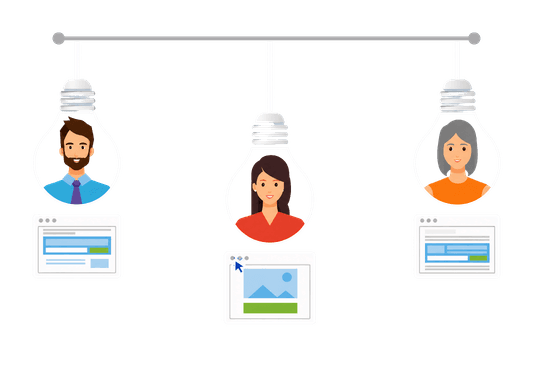
Our Page Builder helps you create web pages using a simple drag-and-drop editor. Arrange text, images, videos, and banners easily. You can see updates instantly while building landing pages, product pages, or blogs.
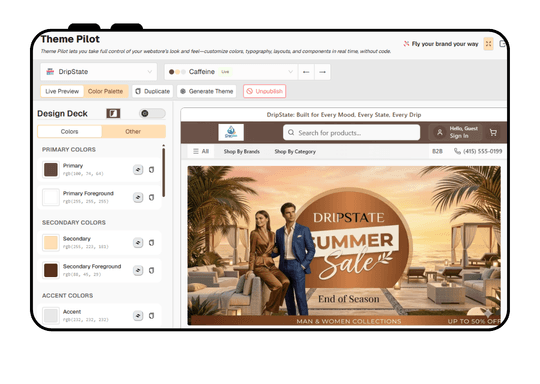
The platform offers flexible templates designed for different business needs. You can adjust colors, fonts, images, and layouts to match your brand style. This helps you maintain a consistent and professional look across your website.
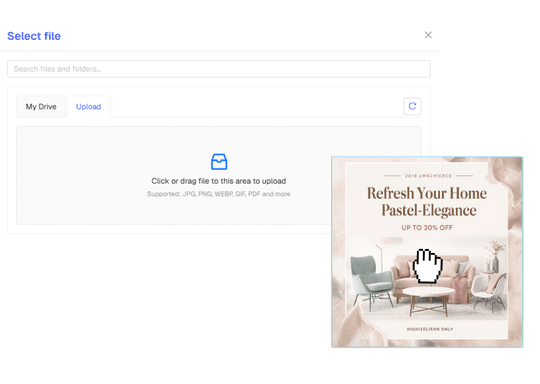
The platform provides a single place to store and manage images, videos, and documents. You can easily search, reuse, and organize assets whenever needed. This helps maintain consistency and speeds up content creation across channels.
-1.png&w=3840&q=75)
Creates and updates website layout directly within the CMS
Assists with banners, landing pages, blogs, and product-related content
Helps maintain consistent messaging and branding across pages
Reduces manual editing effort for faster website content management
Handling website content, digital assets, layouts, and operational data across disconnected platforms often creates inefficient updates and limits collaboration between teams. Centralized CMS and AI-powered website management help maintain aligned business information, improve coordination, support faster website updates, and simplify layout management across digital channels.
Inconsistent messaging, outdated visuals, and fragmented content management can weaken brand positioning and customer trust. Unified content governance helps maintain consistent branding, structured communication, and stronger control over digital experiences across every customer touchpoint.
Limited access control and unclear publishing permissions increase the risk of unauthorized changes, operational errors, and content misuse. Role-based permissions and controlled publishing workflows strengthen oversight while improving accountability across teams and departments.
%2520(1)%2520(3).png&w=3840&q=75)