TDCCommerce helps manage purchasing by connecting orders with approved suppliers and agreed pricing. It keeps vendor activities organized in a single system, helping teams control costs, track spending, and improve delivery timelines.
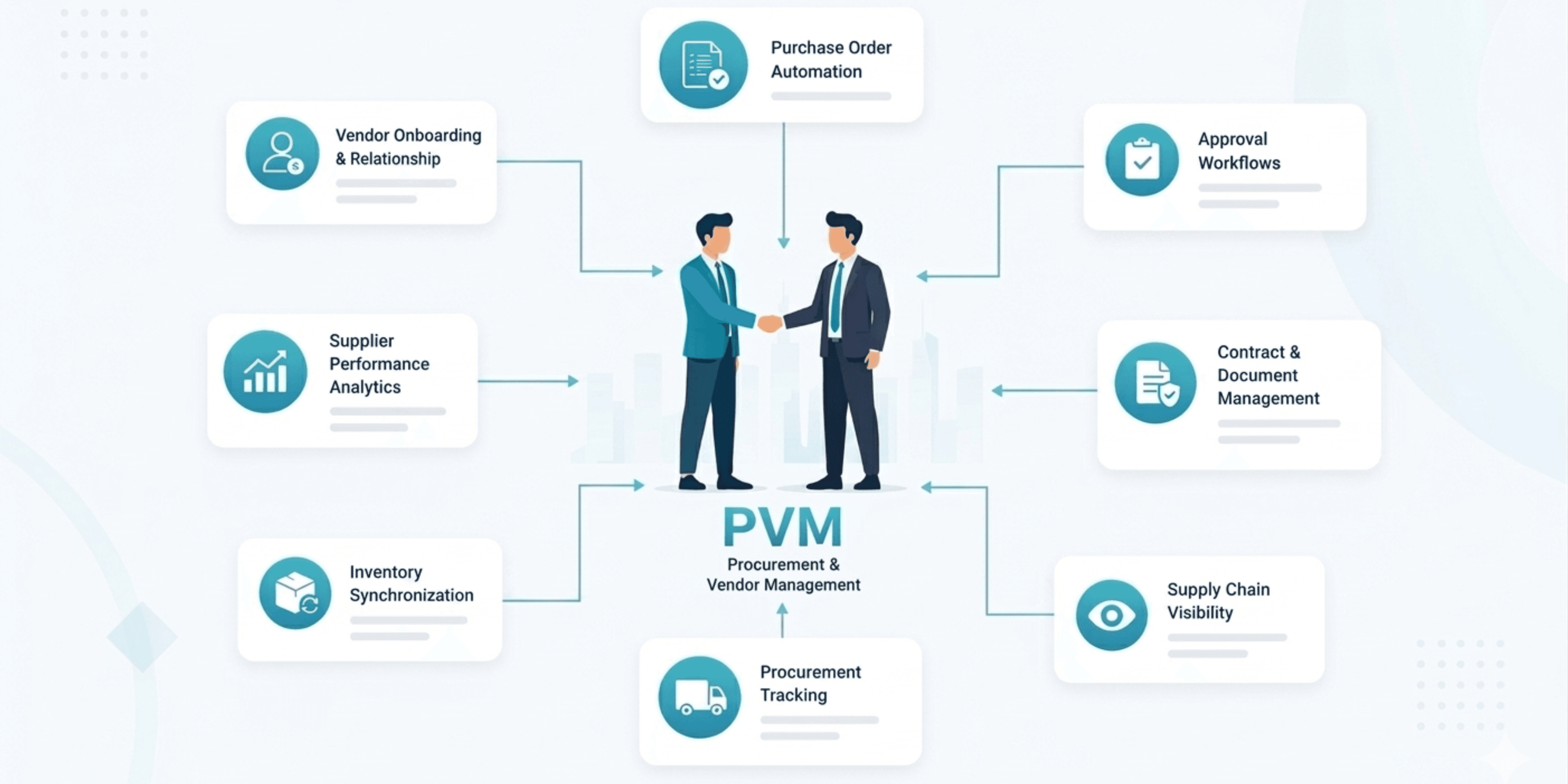
Identify and select suppliers based on quality, pricing, and reliability. This helps ensure a steady supply of goods and supports better purchasing decisions that align with business needs.
Learn More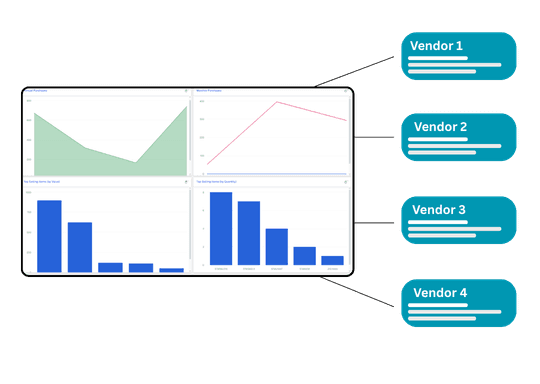
Track all purchase orders, quantities, and delivery timelines in real time. This helps maintain balanced inventory levels, avoid shortages or excess stock, and support smoother planning.
Learn More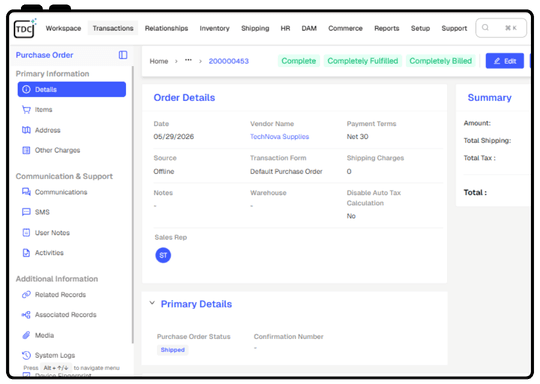
Automate the handling of vendor invoices by matching them with purchase orders and scheduling payments. This reduces manual work, improves accuracy, and helps maintain timely payments.
Learn More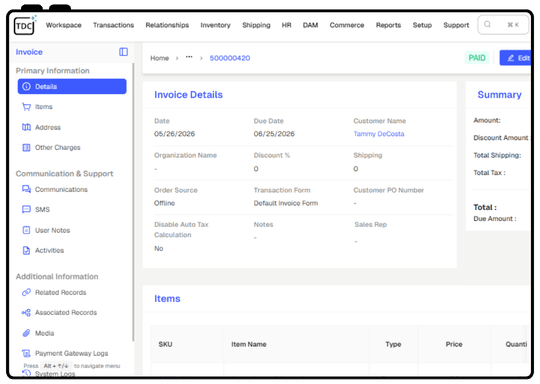
Manage supplier details, communication, and performance in a structured way. This helps maintain strong vendor relationships and ensures procurement activities stay consistent and well-coordinated.
Learn More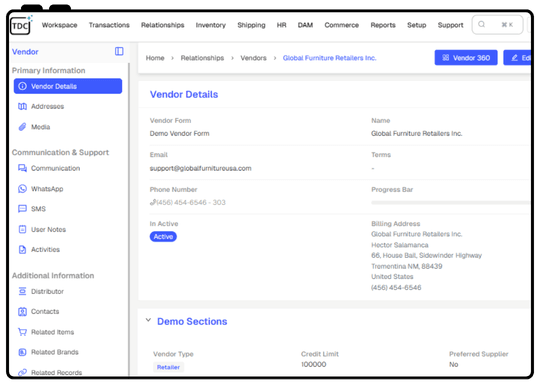
Without controlled procurement processes, teams may purchase from outside approved vendors, pricing agreements, or budget limits. Standardized purchasing workflows with centralized approvals and spending visibility help maintain procurement control.
Manual receiving processes and limited delivery tracking can lead to inventory discrepancies and operational delays. Smart validation and connected procurement workflows help improve receiving accuracy and keep stock records reliable.
Disconnected procurement processes create delays, repetitive manual work, and limited purchasing visibility. Automate approvals, streamline purchasing operations, and simplify vendor coordination to improve efficiency and reduce operational overhead.
TDCCommerce streamlines purchasing by centralizing PO creation, tracking, and fulfillment—improving inventory control and supplier coordination for a smoother, more efficient supply chain.
TDCCommerce Procurement streamlines purchasing by directing orders to approved suppliers, centralizing vendor interactions, and providing real-time visibility into spending—enhancing control, collaboration, and decision-making across the procure-to-pay process.
%2520(1)%2520(3).png&w=3840&q=75)